
Odesa the beautiful
The ugly sounds of Iranian Shahed drones are a daily horror for Ukranian cities like Odesa. Respect and thanks to those who defend the skies.

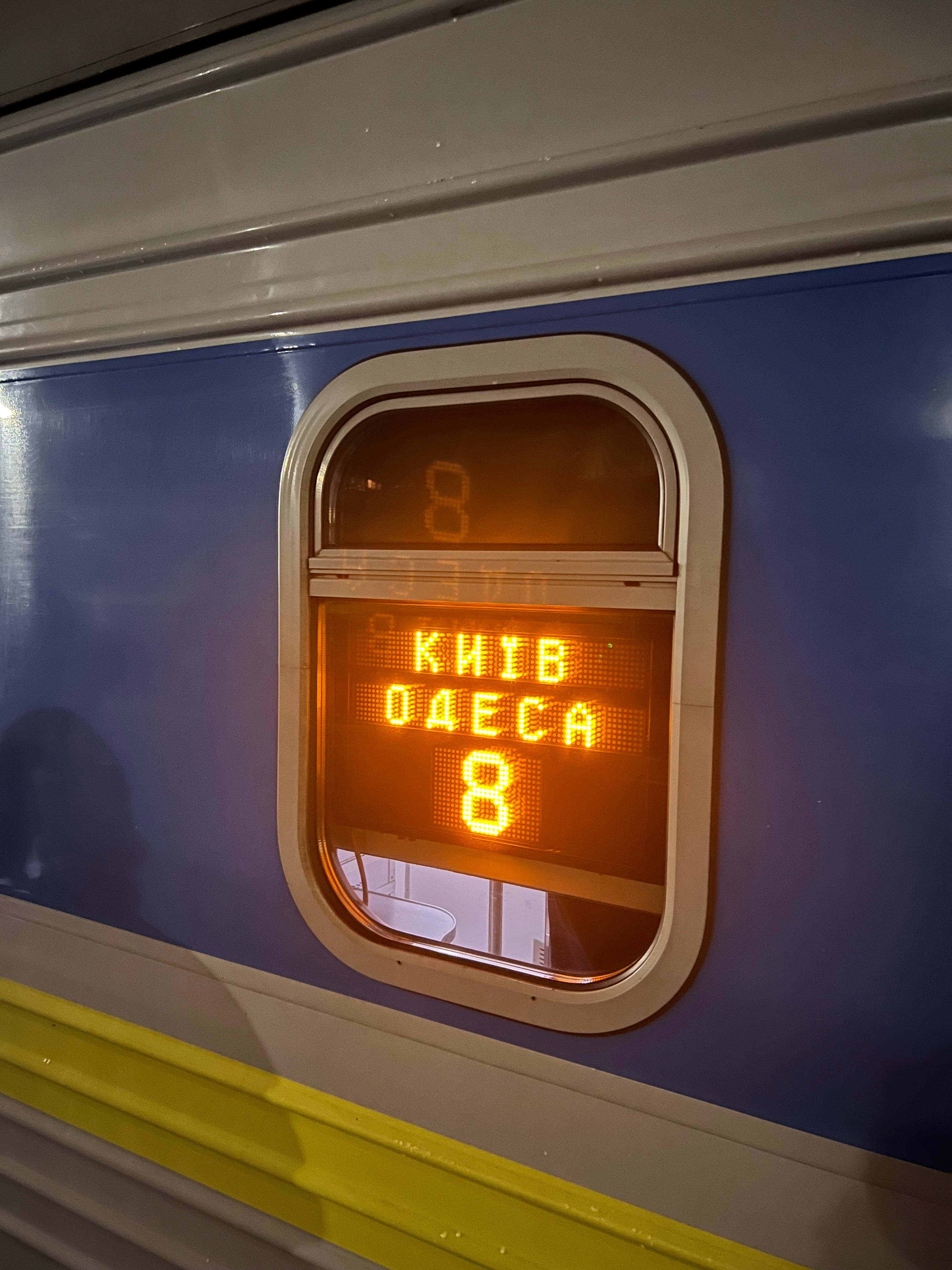
The night I arrived in Odesa, I was about to fall asleep when almost subconsciously I heard the sound of the air alarm. I tried to ignore it, because it was almost one in the morning, and I was tired after more than a day of traveling. But then the drones came flying towards the centre of town, and I could hear them right above the hotel, followed by air defence working. I decided the top floor was perhaps not the ideal place to wait this out, shuffled into a sweater, found my phone and power bank, and was just heading to the stairs when there was a really loud explosion somewhere not far away. Then more drones, their insistent whine echoing louder in the stairwell as I clattered down towards the basement level breakfast room.
Inside, a handful of people dressed in bathrobes over their pyjamas were sitting at the tables as if waiting for a cappuccino or some extra orange juice. ‘Good evening!’ one lady called out in Ukrainian as I sat down. Bomb shelter etiquette. After about half an hour, the local telegram channel which posts updates about attacks declared the threat was over, and we all trooped back upstairs.
The next morning, as we set off for Pryvoz to catch the bus service to Kherson, we drove past the nearby building where the Shahed had landed the night before, debris already cleared up behind a police tape strung along the pavement. My friends had instructed the hotel caretaker to give the taxi driver some extra cash and tell him to help me carry the unwieldy and heavy bag of body armour for myself and a colleague into the bus. The parking space was some way from the bus station, and the driver went above and beyond, not only carrying my bag, but phoning a help desk and then tracking someone down to help us find the right bus.
Blackout city
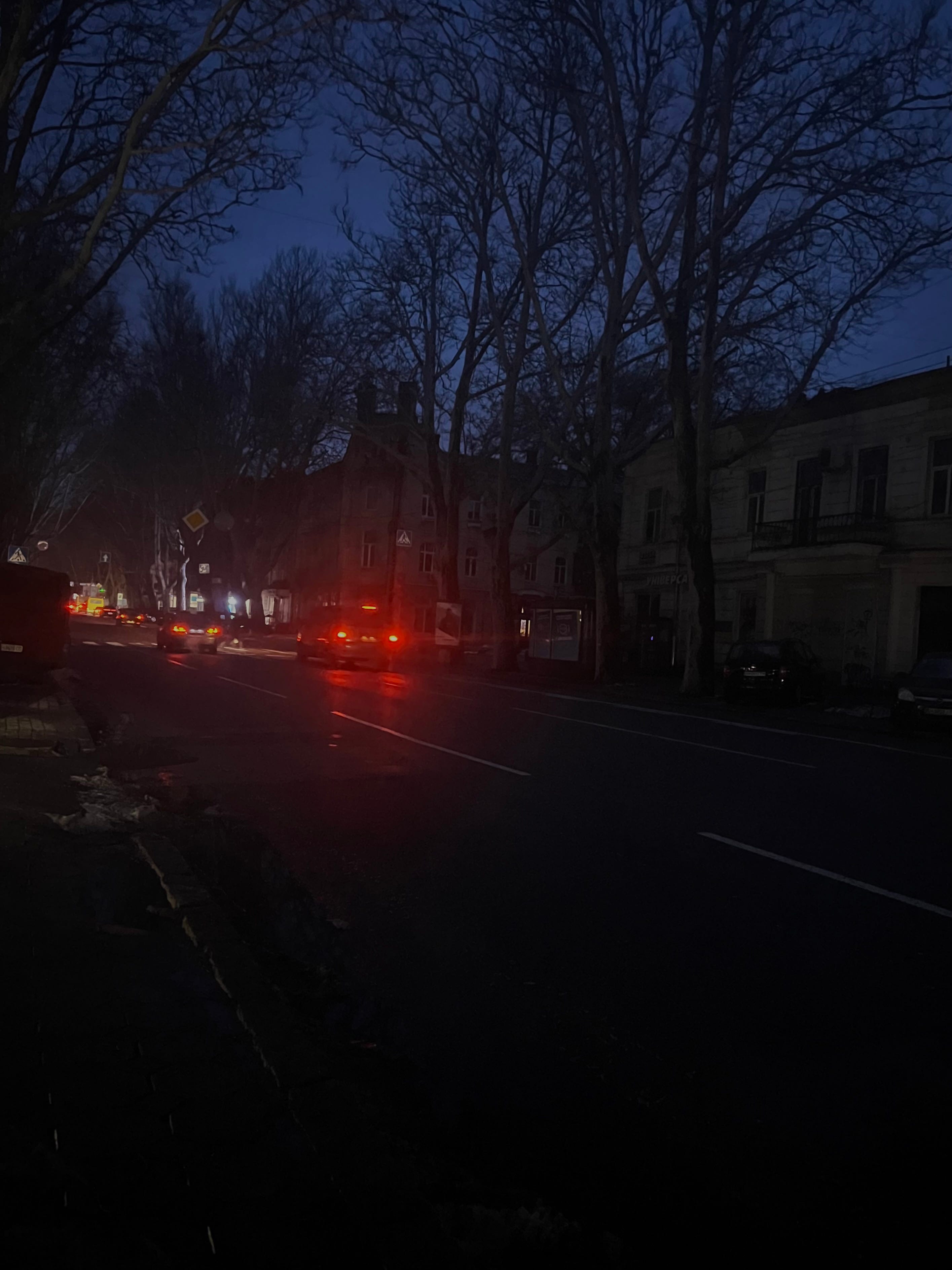
At least the weather was starting to get a bit milder, after long weeks of unusually freezing temperatures, made even less tolerable by Russia’s relentless attacks on energy infrastructure. My friends said they’d had no power at all in their apartment for more than ten days. During the day they could come to the office, in a building with a generator, to get some work done, charge their devices, make flasks of tea to take home. It was February, and the nights were long and dark and very cold. We tried to go to our favourite cafe for hummus and green vegetables, but there was a sign up outside saying it was having to close early because during such long blackouts, it couldn’t keep the lights and oven on. Businesses have been doing their level best to keep going, and everyone is used to the ubiquitous sound of generators, but they cannot pull off miracles.
We found another favourite place, Dizyngoff, and ordered borsch with smoked salmon and roasted brussels sprouts with a kind of tonnato sauce. The eternally young staff were smiling, the place was busy, even if the bleak midwinter had left much of Odesa unusually subdued. I was no longer in the city a month later, when another Russian strike hit a building in the same street as the small hotel where I always stay. Three people were hurt that night, although fortunately no-one was killed. The footage of the half-destroyed building, its facade gone, was posted on social media by the emergency services, burned cars and hollowed out rooms in what had been peoples’ homes. The windows of the main synagogue were broken: not a single pane of glass was left intact. I messaged the hotel to check everyone was OK. “We are safe, thank g-d, but that was CLOSE”, they replied.

Air defence kit
That week President Zelenskyy visited London, signing an “enhanced security and defence co-operation deal” with the UK, including a commitment to ramp up production of anti-drone technology, learning from Ukrainian expertise. Mr Zelenskyy presented an ipad to King Charles, showing live information from the battlefield. Red dots for Russian drones and aviation, green for Ukraine’s. I had seen one of these ipads last year when I spent a day with an air defence unit for an article in the Observer magazine. The display looked simple enough, with its blinking dots of light, but behind it lay hugely impressive and sophisticated layers of intelligence data, built up from years of experience - and the ability to interpret them at lightning speed.
You can sell the hardware to allies abroad, but clearly it is not simply a case of sending an interceptor drone into the sky and hoping it finds its target: Ukraine has built up a vast network of defensive capability, from mobile fire teams with machine guns mounted on the back of camouflaged pick up trucks, to powerful systems of electronic warfare. The information from that ipad means there is usually time for the air alarm to give a reasonable warning of incoming attacks, while civilian-run Telegram channels break down the information into more precise locations. It means the opportunity to get to a shelter if there is one close at hand, or at least get away from windows. New emergency orders after increasing attacks on Ukrainian Railways mean passengers must be quickly ushered off trains, into cover near the tracks.
The horrible sound of those Iranian made Shahed drones, which have been flying into Ukrainian towns and cities with deadly intent for years, has now spread across the Gulf where states armed with precious anti-missile systems have been burning through their multi-million pound assets to shoot them down. There is no price on civilian safety, of course - but Ukrainian military and tech leaders have been doggedly building an army of UAV operators, innovators, as well as an entire home-grown drone industry. It is thanks to them that hundreds of drones are shot down on a nightly basis, saving countless Ukrainian lives. And supplies of systems like the Patriot and the SM-6 are depleting fast. You can read an excellent account in the Times about the consequences, and Ukraine’s somewhat perplexed response.

Spring in Odesa
And then the spring came to Odesa and the sun came out, and the cold darkness of night was shorter and less cruel. People walked along Langeron beach and bought cups of coffee tonic, the favourite cafe overlooking the sea opened back up again. The council approved plans to refurbish miles of embankment with fancy paving, hundreds of park benches, and eight modular bomb shelters. And in offices, on rooftops, in forests and dugouts, thousands of Ukrainians are working round the clock to protect the skies as best they can. If you want to know more about Odesa, and you should - my friend Maria Kalenska’s new book Cuisines of Odesa is a beautiful and important work about the city, through its rich culture, diversity and food. If you want to understand this vibrant, dynamic city which loves glamour but treasures tradition - you can start in the kitchen. And then you will realise why Ukrainians will never countenance its loss.
"The council approved plans to refurbish miles of embankment with fancy paving, hundreds of park benches, and eight modular bomb shelters."
All the essentials! The Ukrainian people are just built different...
As always, your reporting is astounding - xoxo